What Should I Show Customs If They Ask About CBD Cream?
Traveling with CBD products, especially CBD creams, can be a bit nerve-wracking, particularly when passing through customs. Here in the humid Yucatán—and really, anywhere with tropical conditions—the way traveling with CBD cream you prepare and present your CBD cream can make all the difference. If customs officials ask you questions about your CBD cream, it's crucial to have the proper documentation and knowledge at your fingertips. This post will guide you through what you need to show, how to care for your skin before applying topicals in humid climates, and important product considerations—keeping companies like Joy Organics and local gems like Yucatan Magazine and Yucatan Studio in mind while discussing routines that survive the tropical heat.
Understanding Customs Requirements for CBD Cream
CBD legality varies widely worldwide, and even within countries. Customs officials often request verification when they see CBD products, especially creams containing cannabidiol (CBD). To avoid complications, you will want to carry the following:
- Zero THC Proof: A certificate or lab report showing the product contains no tetrahydrocannabinol (THC), the psychoactive component of cannabis. This is often labeled as "zero THC" or "THC-free."
- Batch Lab Report: A detailed lab analysis corresponding to the batch number on your product, showing purity, cannabinoid concentration, and the absence of contaminants.
- THC-Free Label: Packaging or inserts explicitly stating the product is THC-free to reassure authorities it is legal.
Brands like Joy Organics provide comprehensive batch lab reports and THC-free assurances. If you have CBD creams from such reputable companies, keep these documents backed up on your phone and in print to streamline your customs experience.
Why Zero THC Proof and Batch Lab Reports Matter
Customs agents need proof your product isn’t psychoactive or illicit. Here’s a simple table outlining the most useful documents:
Document Purpose Where to Obtain Zero THC Proof Confirms product contains no psychoactive compounds Manufacturer's website or product packaging (e.g., Joy Organics) Batch Lab Report Shows detailed cannabinoid profile and purity for the exact batch Manufacturer's website or product QR code linked to testing lab THC-Free Label Visual proof on bottle or box to reassure customs Product packagingMake sure these papers are easy to locate. Print them on quality paper and keep them dry—because in the Yucatán, humid air can ruin even the sturdiest paper if you’re not careful (I always judge those who don’t keep lids tightly closed... and papers in plastic sleeves!)
Humidity and Applying CBD Cream: What You Need to Know
Living and traveling in the Yucatán means dealing with high humidity levels, which can wreck your skincare routine if you’re not careful. One mistake I see too often (a pet peeve of mine) is applying creams on wet or damp skin. The moisture acts like a barrier, preventing absorption and turning your once promising CBD cream into a sticky, dripping mess.
Why Wet Skin Is a Bad Surface for Topicals
When skin is moist from sweating or showering, the water forms a thin layer that dilutes or blocks the cream's active ingredients from penetrating properly. This is especially critical for CBD creams—where proper absorption means the difference between effective relief and wasted product.
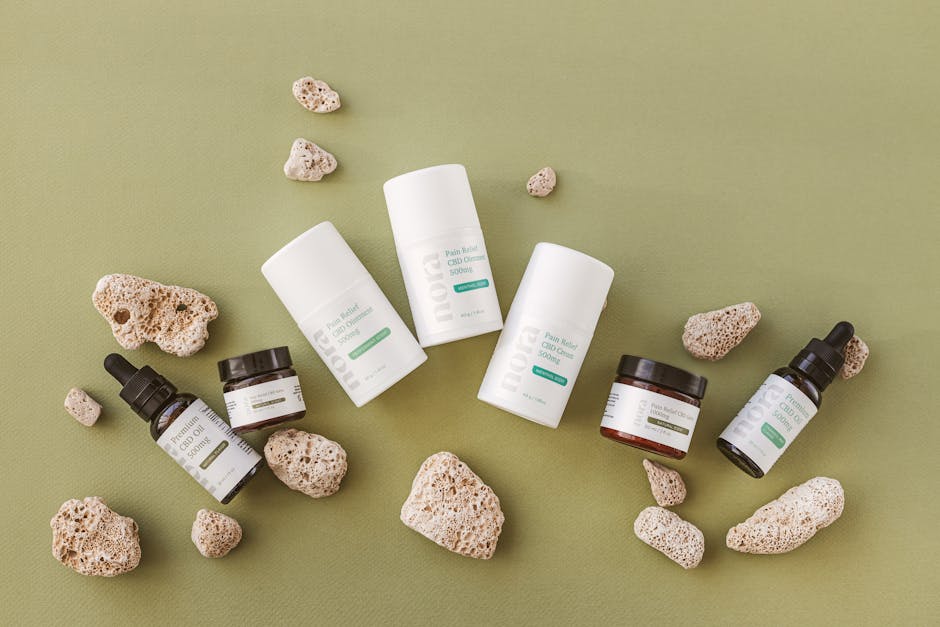
Additionally, applying cream on wet skin leads to:
- Product sliding off and not staying where you need it
- Potential microbial growth if cream traps moisture inside
- Frustration with product inefficacy or mislabeled "bad formula" blame
Cool-Down and Dry-Off Routine
After a shower or being out in the sultry heat, here’s a routine that works:
- Step away from direct heat and allow your skin to cool naturally for 5-10 minutes. (Yes, time it by fan minutes if you must.)
- Pat your skin dry thoroughly with a clean, absorbent linen towel. Avoid rubbing, which irritates skin and can ruin your favorite linens faster.
- Ensure no visible moisture remains before applying CBD cream. The skin should feel dry to the touch—but not tight or cracked.
- Apply the CBD cream in gentle, circular motions, focusing on problem areas.
This routine ensures optimal absorption and respects your skin’s delicate moisture balance.
Layering CBD Cream with Sunscreen and Insect Repellent
In tropical regions like the Yucatán, sunscreen and insect repellent are as essential as your morning coffee. But the order of product layering can confuse many travelers who also use CBD topicals.
Correct Layering Order
- Clean, dry skin: As described above, skin must be dry.
- CBD Cream: Apply first to allow full absorption.
- Sunscreen: Layer sunscreen on top to protect your skin from UV damage.
- Insect Repellent: The last layer, especially if using DEET-based products.
Note: It’s important to keep insect repellent as the final step because of interactions with oils and plastics present in creams and packaging.
DEET Interactions to Watch
DEET (N,N-Diethyl-meta-toluamide), the active ingredient in many insect repellents, can react poorly when combined directly with oils or plastic containers. Some key points:
- DEET can degrade plastic packaging, so be cautious storing your CBD cream near repellent.
- Applying DEET over oil-based creams (many CBD creams are oil-infused) can cause skin irritation.
- Layering insect repellent last minimizes chemical interactions and improves effectiveness.
Because of these interactions, I often recommend trusted local advice from Yucatan Magazine or consulting skin experts at places like Yucatan Studio, known for their practical lifestyle hacks suited to this climate.
Bonus Tips for Travelling with CBD Cream
- Store smartly: Keep your CBD cream in a cool, shaded spot. The Yucatán heat can soften creams and alter their texture.
- Keep lids tightly closed: I cannot stress this enough to maintain quality and prevent leakage. (If you don’t, I will definitely judge a little.)
- Label clearly: Consider adding printed notes referencing zero THC proof and batch lab reports inside your travel kit for easy reference.
- Check local laws: The Yucatán and Mexico have recent progressive takes on hemp and CBD, but regulations vary and enforcement may not be consistent.
In Conclusion
When customs ask about your CBD cream, showing solid proof such as zero THC documentation, a batch-specific Check out the post right here lab report, and clear THC-free labels will make your experience smooth. Remember that tropical humidity affects your skincare routine dramatically—always dry off thoroughly before applying CBD products to gain maximum benefit. Layer your topical cream thoughtfully, and keep all your products well-sealed and cool.

Reliable brands like Joy Organics offer the kind of transparency that customs officials appreciate, while local insight from Yucatan Magazine and Yucatan Studio provides invaluable guidance about living with and caring for your skin in this unique climate.
Happy travels and smooth customs checks to you—don’t forget, your skincare routine deserves as much care as your travel papers!