Healthspan vs Lifespan for Caregivers: What Should We Watch For?
As caregivers, whether for aging parents, spouses, or loved ones with chronic health challenges, understanding the the difference between healthspan and lifespan is essential. These two terms shape how we plan support, manage daily living disability, and anticipate mobility decline — all crucial for meaningful caregiving.
What Are Healthspan and Lifespan?
Lifespan means the total number of years a person lives. It’s a clear, simple concept: If someone was born in 1950 and died in 2020, their lifespan was 70 years.
Healthspan, by contrast, refers to the years a person lives in good health, without chronic illness or disability that restricts daily activities like dressing, bathing, or walking. Think of it as the "quality" part of life rather than just quantity.
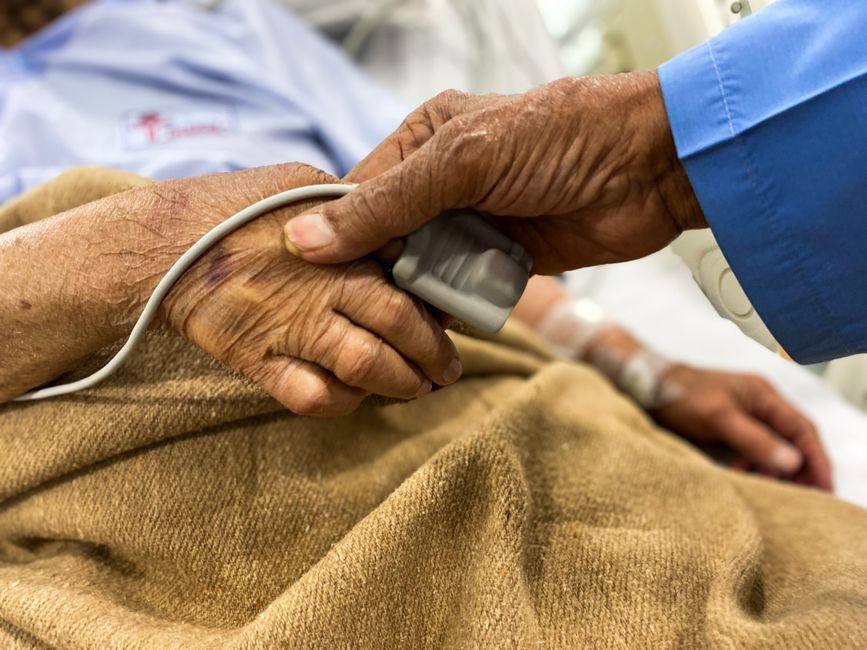
To put it plainly:
- Lifespan: How long a person lives.
- Healthspan: How long a person lives well, able to function independently.
For caregivers, focusing on healthspan helps prioritize interventions that support autonomy and reduce the burden of care.
The Widening Gap: Why Healthspan and Lifespan Are Not the Same
Thanks to medical advances, the average lifespan has increased significantly over recent decades. However, this gain in years hasn’t always come with preserved health. The gap between lifespan and healthspan is widening — meaning many people live longer but spend more years with chronic illness and disability.. Pretty simple.
For example, chronic diseases such as heart disease and diabetes often lead to declines in mobility and daily living disability. Someone might live into their 80s or 90s but spend their final years reliant on caregivers to feed them, help with toileting, or assist with walking.
This gap has major implications:
- A higher care burden: More years needing assistance mean more demands on caregivers’ time and emotional stamina.
- Support planning complexity: Families and healthcare systems must prepare for long-term disability management, not just acute care.
- Financial and emotional strain: Increasing costs and stresses tied to managing chronic disease complications.
Medical Daily (Medicaldaily.com) has covered this extensively, emphasizing how improving healthspan, not only lifespan, should be the goal of modern healthcare systems.
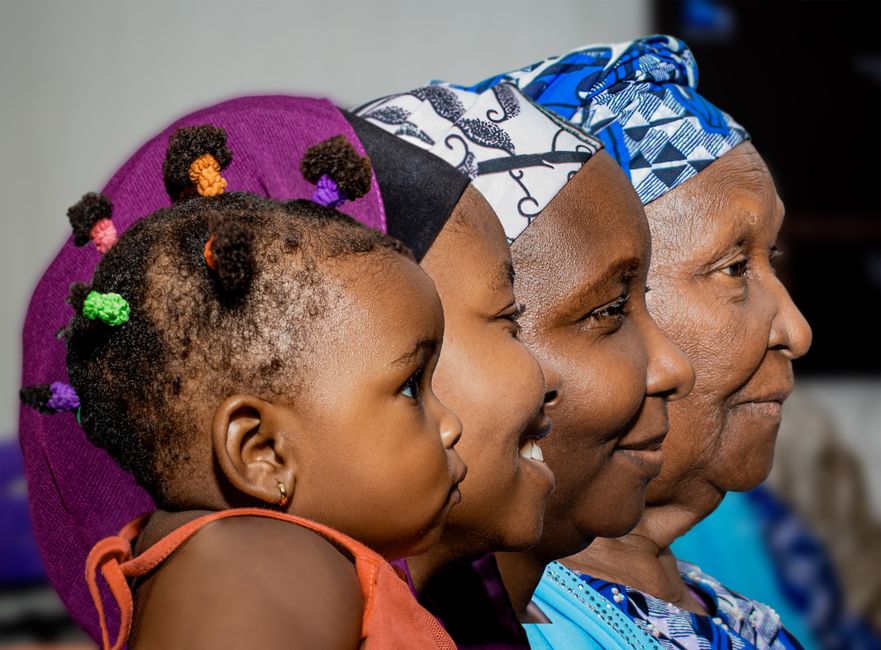
Common Chronic Diseases Impacting Healthspan
Let’s look closely at two chronic diseases that often shorten healthspan through their impacts on mobility and daily living independence.
Heart Disease
You know what's funny? heart disease is the leading cause of death globally but also a major cause of disability. After heart attacks or ongoing heart failure, many experience fatigue, shortness of breath, and diminished physical ability. These symptoms reduce mobility and make daily tasks difficult, increasing reliance on caregivers.
noncommunicable diseasesDiabetes
Diabetes, especially poorly controlled type 2 diabetes, can cause nerve damage, vision problems, and amputations that cause mobility decline. It also raises risks for heart and kidney disease—adding layers of complexity to care needs.
Both conditions frequently lead to daily living disability — situations where simple actions like dressing or walking require help. Awareness and early intervention around these diseases help improve healthspan and ease caregiver demands.
Marc Kielburger and Legacy+: Advocates for Purposeful Support
One inspiring figure bringing attention to these caregiving challenges and community support is Marc Kielburger. Marc is a co-founder of Free The Children, a worldwide organization focused on youth empowerment and social change, and also co-founder of Legacy+, a platform dedicated to caregiving support and intergenerational connection.
Marc’s background as a social entrepreneur and human rights advocate adds credibility and heart to these initiatives. He understands that caregiving is not only about physical support but also about building meaningful legacy and purpose — two factors associated with longer healthspan.
What this means for you: Organizations like Legacy+ and Free The Children show that caregiving benefits from community, shared knowledge, and emotional support — all key ingredients to preserving healthspan.
Support Planning: What Caregivers Should Watch For
Given the widening gap between lifespan and healthspan and common chronic disease burdens, caregivers should focus on these practical areas to better support their loved ones and themselves:
- Monitor mobility changes: Track walking ability and balance. Early signs of mobility decline can be subtle. Use regular check-ins and consider tools suggested by healthcare providers.
- Watch for daily living disability: Pay attention to how independently your loved one completes tasks like grooming, eating, and managing medications.
- Manage chronic diseases proactively: Work with medical teams to maintain control of heart disease and diabetes through medications, diet, and exercise.
- Plan for assistive supports: Consider physical therapy, mobility aids, and home safety modifications to prolong independence.
- Focus on mental well-being: Preserve social connections and purpose. Podcasts like My Legacy Podcast facilitate conversations on aging, caregiving, and finding meaningful roles in later life.
These steps help bridge the gap between living longer and living well.
Using Digital Tools and Social Sharing to Enhance Caregiving
In today’s digital age, caregivers can leverage resources and community platforms. For example:
- My Legacy Podcast: Offers personal stories and professional insights on aging, caregiving, and healthspan improvement.
- Twitter share link: Sharing caregiving tips or inspirational stories via social media can build support networks and spread awareness.
Connecting with organizations like Legacy+ through their website or social media also keeps caregivers informed on best practices and innovations.
Summary Table: Healthspan vs. Lifespan Impact on Caregiving
Aspect Lifespan Focus Healthspan Focus Definition Years lived Years lived in good health and independence Caregiving Implication May need care at end of life, often intensive Supports proactive management to delay disability Common Concerns Longevity, disease survival Mobility decline, daily living disability, quality of life Action Steps for Caregivers Manage chronic conditions, emergency planning Early detection of disabilities, promote independence, social supportFinal Thoughts: What This Means for You as a Caregiver
Focusing on expanding healthspan means shifting the caregiving mindset beyond just “keeping someone alive” to fostering a life with dignity, purpose, and as much independence as possible. Instead of only tracking years, track quality — daily living abilities, mobility, and emotional well-being.
By learning from trusted sources like Medical Daily, engaging with legacy-driven organizations like Legacy+ and Free The Children, and leveraging tools such as My Legacy Podcast and social sharing platforms, caregivers can better anticipate challenges, plan effective support, and preserve their loved ones’ autonomy longer.
Remember, even as medical science extends lifespan, the real goal is to improve healthspan — the years lived fully and well. For caregivers, that difference changes everything.
If you found this post helpful, consider sharing it on Twitter to help others in your community!